
The blue light from the monitor cut through the heavy darkness of the apartment, casting a pale, electric glow over the cluttered desk. Dust motes danced in the illuminated air, settling on the stacks of coding manuals and empty energy drink cans that lined the perimeter of the workspace. The Lonely Webmaster sat in his ergonomic chair, the leather creaking softly as he shifted his weight. At forty-nine, his body retained the hardened, athletic lines of his youth, a testament to the discipline he carried over from his life in Eastern Europe, though now those muscles were mostly maintained through gym sessions rather than labor. He ran a hand through his undercut brown hair, the shorter sides bristling against his palms, while the longer top was swept back, exposing a forehead furrowed in concentration. His brown eyes, reflecting the scrolling text on the screen, narrowed as he navigated through the interface of a new assignment.

He clicked the mouse, the sound sharp in the silence of the room. The notepad document open beside the browser was blank, save for the cursor blinking rhythmically, waiting for the input that would pay this month's rent. He was a freelancer, a digital ghost in the machine, tasked with reviewing platforms that. catered to every conceivable human desire. Tonight, the subject was MenNation.com. He typed the URL, his fingers flying over the mechanical keyboard with practiced precision. The page loaded, a splash of vibrant colors and grid layouts filling the screen. It was a dating website exclusively for men, a digital playground where the lonely and the lustful could intersect without the friction of the outside world.
He leaned back, the chair sighing under his shift in posture, and began to type the introduction for the guest post. His dialogue style, usually reserved for technical forums or friendly client emails, shifted into a more analytical, yet approachable gear. He needed to sound like an insider, someone who knew the terrain of online hookups but could describe them with the detachment of a scientist observing a petri dish.
Overview of the Platform
MenNation.com presented itself as a straightforward solution for a specific demographic. The Webmaster scanned the homepage, noting the tagline and the immediate call to action. It was a site boasting over 30,000 members, a number that carried weight in the niche market of gay dating. He watched a banner rotate, displaying men in various states of undress and poses ranging from the merely suggestive to the explicitly pornographic. The site’s purpose was clear: it was a conduit for men to meet other men. There was no pretense of long-term romantic compatibility algorithms here; it was a marketplace of flesh and fantasy. He typed out the statistics, his fingers clacking rhythmically. The platform served as a digital bar, a bathhouse, and a cruising ground all rolled into one, accessible from the safety and anonymity of a browser window. He noted the lack of frills in the design, a utilitarian approach that prioritized function over form, allowing the user to get straight to the point without navigating through endless personality quizzes.
Key Features and Functionality
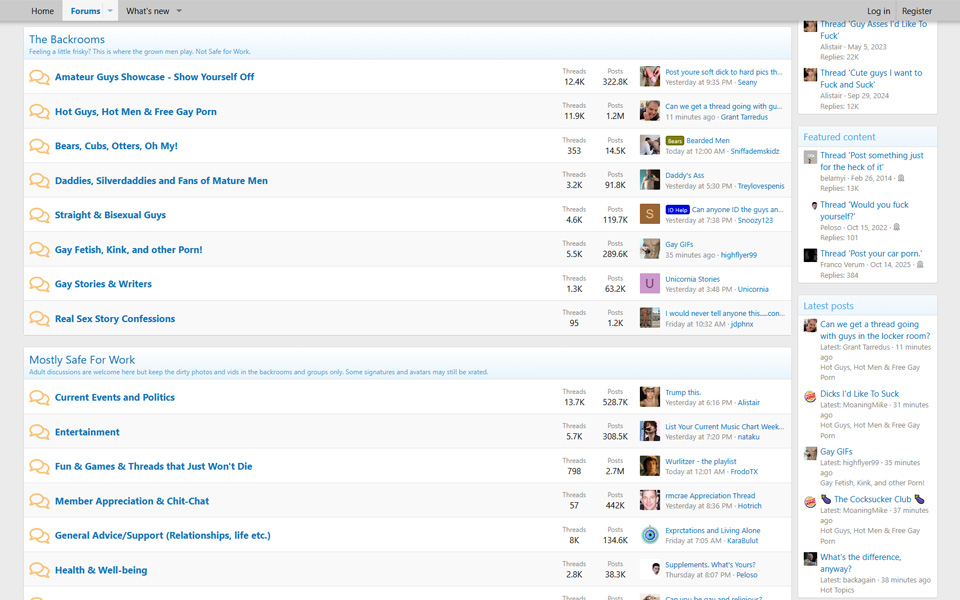
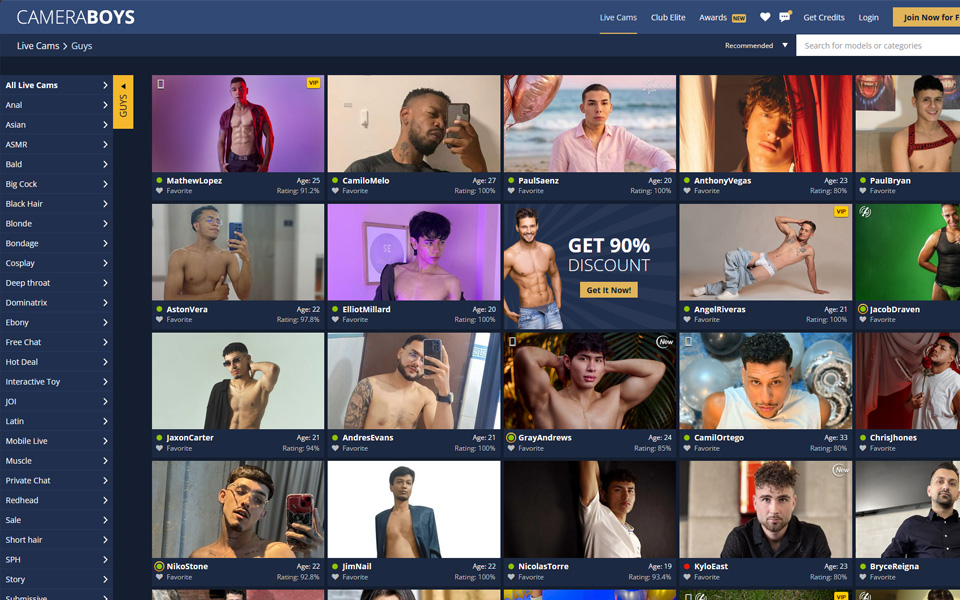
The Webmaster clicked on the "Join Now" button, not to create an account, but to inspect the data fields required for entry. He noted the standard inputs: username, password, email, and then the specifics—body type, role (top, bottom, versatile), and interests. The site offered basic matchmaking tools, though "matchmaking" was perhaps too generous a term. It was more like filtering. He navigated to a mock-up of the dashboard. The interface allowed members to browse profiles based on geographic proximity, a critical feature for those looking to facilitate a physical encounter rather than a pen-pal arrangement. Messaging options were standard, with a chat interface that looked like it hadn't been updated since the early 2000s. He noted the group chat feature, a digital backroom where multiple users could engage in conversations that ranged from organizing events to sharing explicit photos. Profile customization was available, allowing users to upload galleries that left little to the imagination. He wrote about these features with a technical efficiency, describing the user experience (UX) as functional but dated, comparing the navigation to walking through a well-organized but dimly lit warehouse where you know exactly what you came to find.
User Experience and Interface Design
He scrolled through a few public profiles, observing the user experience from the perspective of a hypothetical member. The interface was indeed outdated. The color scheme was a clash of deep reds and blacks, reminiscent of old adult video stores rather than modern, minimalist dating apps like Tinder or Grindr. The fonts were blocky, and the layout relied heavily on tables rather than responsive grids. On his high-resolution monitor, the images looked pixelated, stretched to fit containers that hadn't been adjusted for modern screen sizes. However, despite the cosmetic flaws, the site was fast. The servers responded instantly to clicks, a necessity when browsing through hundreds of potential partners. He noted that while a younger generation might scoff at the aesthetic, an older demographic—or those simply tired of the swipe-culture of modern apps—might find the directness refreshing. It lacked the gamification of other platforms; there were no super-likes or boost buttons. It was just men, presenting themselves, waiting to be seen. He typed a critique of the design, acknowledging that while it lacked modern polish, the retro feel somehow lent it an air of underground authenticity.
Conclusion and Verdict
The Webmaster saved the document and leaned back, rubbing the back of his neck. The apartment was a tomb of silence, save for the hum of the computer tower. He looked at the screen one last time, at the grid of faces staring back at him—men seeking connection, men seeking release, men seeking someone to fill the empty space in a bed just as the blue light filled the empty space in his room. MenNation served its purpose with brutal efficiency. It was a decent option for those seeking connections within the gay community, provided one could look past the archaic design. It was a tool, and like any tool, its value depended on the skill and desperation of the user. He finished the conclusion, highlighting that with a sizable user base of over 30,000, the odds of finding a match were statistically favorable, even if the environment in which the search took place was aesthetically lacking. He closed the browser, the screen plunging back into darkness, leaving only his own reflection staring back at him—a lonely webmaster, the architect of words he would never need to act upon.